15 June 2026·TURKPOL Editorial
Poland is not, historically, a country of immigration. That changed quickly over the last fifteen years, and the Turkish community in Poland is part of the change.
Who is here
The community divides roughly into four groups, and they want quite different things:
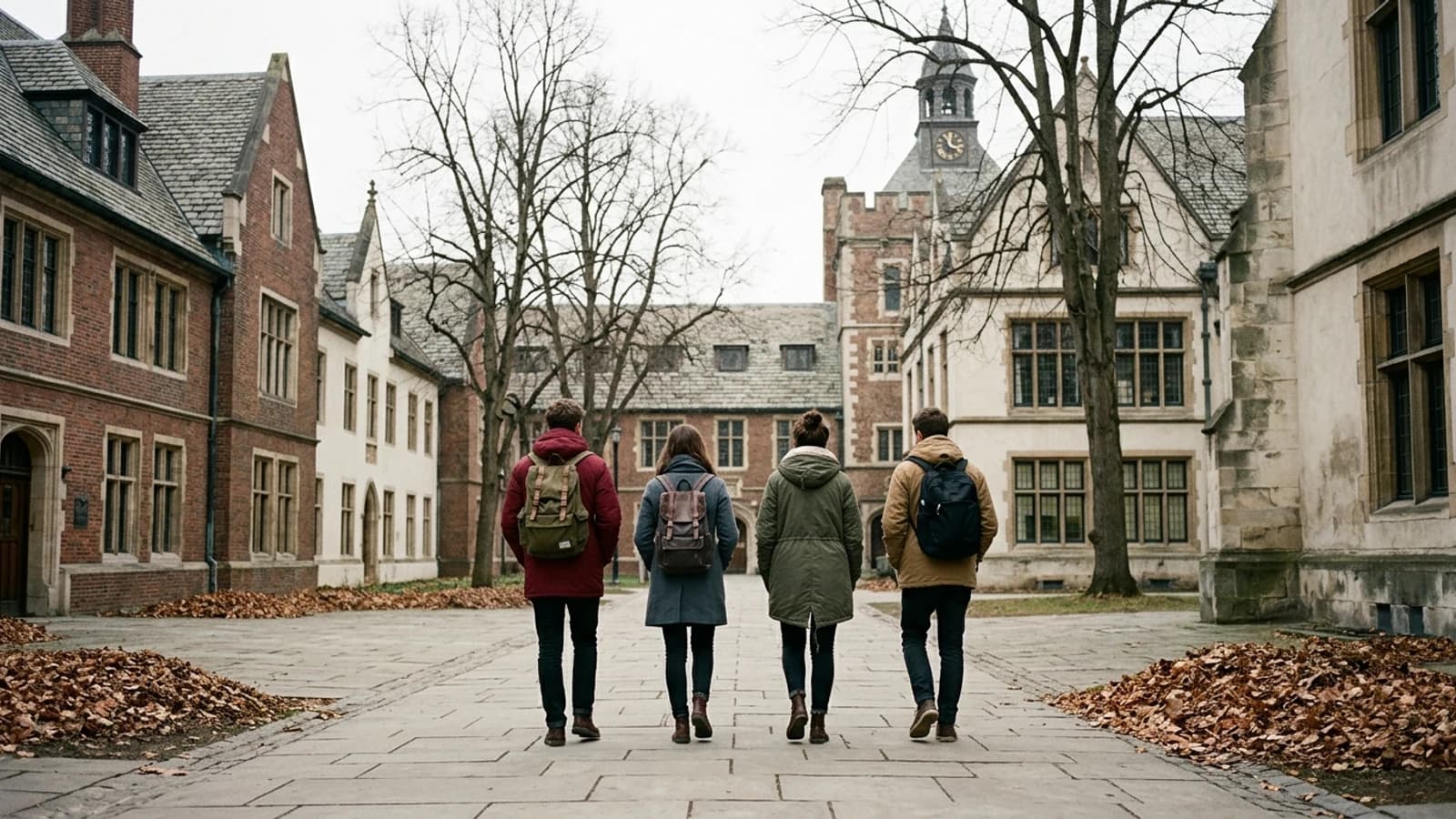
- Students. Turkish students at Polish universities, many in English-language programmes in medicine, engineering and business. Typically the youngest arrivals and the ones with the sharpest short-term problems: residence cards, bank accounts, housing.
- Professionals and specialists. Engineers, IT specialists, medical staff and academics, often recruited directly, often arriving with a contract already in hand.
- Business owners. From large contracting groups down to single restaurants and import firms. The longest-established part of the community.
- Families. Increasingly, people who came as one of the above and stayed — with spouses, children in Polish schools, and a different set of needs entirely.
Where they are
Warsaw dominates, for the reasons capitals usually do: embassies, corporate headquarters, the largest universities and the widest job market. Kraków follows, with a strong student and technology profile. Gdańsk and the Tricity draw shipping, engineering and Baltic trade. Wrocław, Poznań and Łódź all have smaller but real communities.
On population figures
We are not printing a headcount. Poland's foreigner statistics are published by the Office for Foreigners (Urząd do Spraw Cudzoziemców), and the honest position is that any single number is contestable: valid residence permits, registered residence and actual presence are three different figures, students on temporary permits move in and out, and dual citizens vanish from the count entirely.
What is not contestable is the direction. The number of Turkish nationals holding Polish residence permits has risen consistently, and the community is visibly younger and more dispersed than a decade ago.
The useful question is not how many people are here. It is how many of them know where to go when something goes wrong.
What the community actually asks for
From the association's own case load, the recurring needs are strikingly practical, and they repeat: residence and work permits, PESEL and bank accounts, recognition of qualifications, finding housing without being exploited, Polish-language access to health care, and schooling for children.
That is the reasoning behind our guides and knowledge base and the setup checklist in the member portal — the questions are the same questions, asked by a new person every month.
If you have just arrived, start there. If you have been here ten years, the most valuable thing you own is the answer somebody else is currently searching for; membership is how that gets passed on.
Related: Poles in Türkiye, the mirror image of this article.