13 July 2026·TURKPOL Editorial
▶ Watch the film: Lehistan Stories
On 12 September 1683, an army led by Jan III Sobieski, King of Poland, broke the Ottoman siege of Vienna. Every Polish schoolchild learns this. Every Turkish schoolchild learns it too. They do not learn the same thing.
The same day, named twice
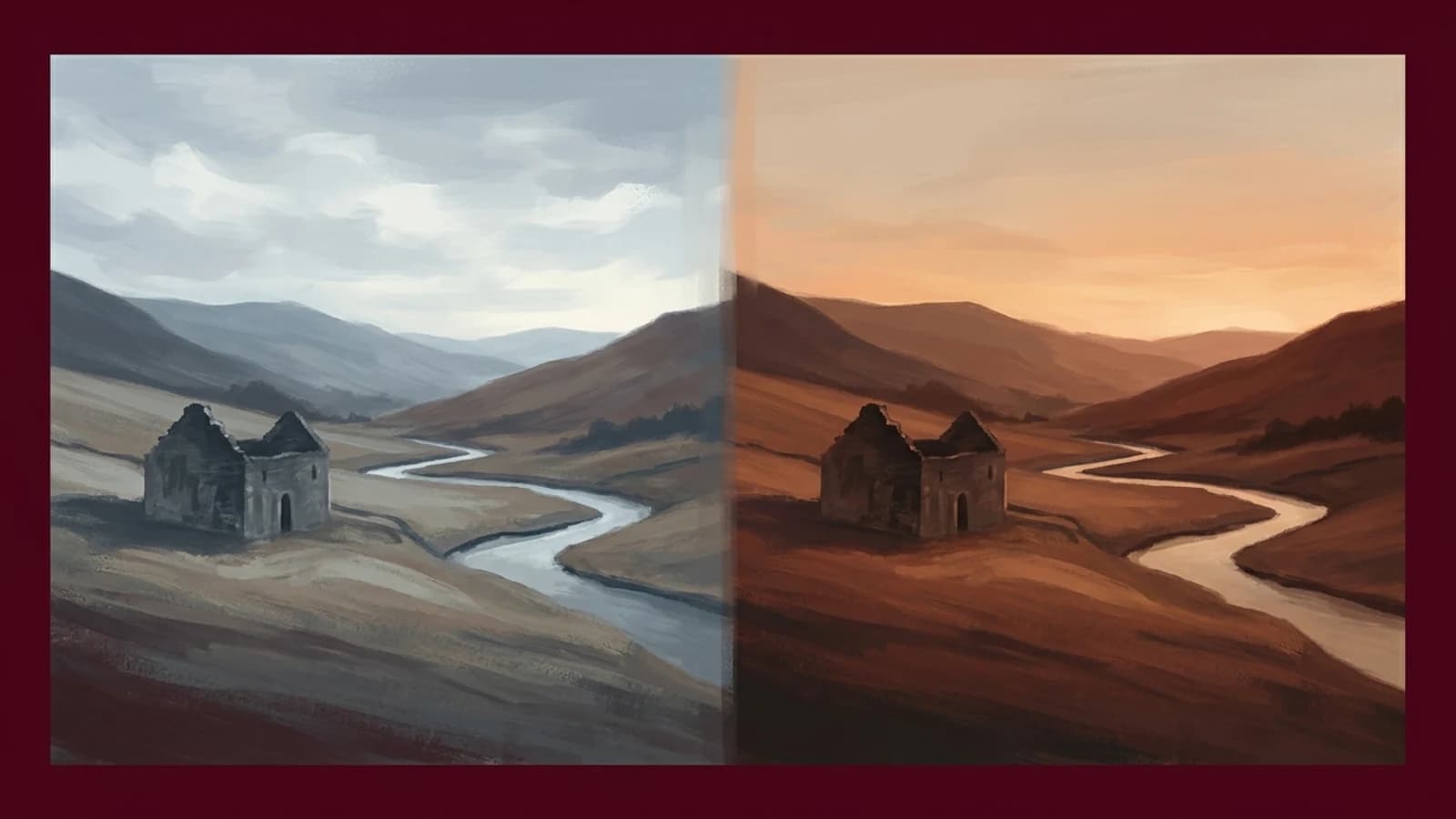
In Polish it is the *odsiecz wiedeńska* — the relief of Vienna, a rescue. In Turkish it is the *Viyana Kuşatması* — the Vienna siege, and specifically the second one, the one that failed.
Neither framing is wrong. A relief and a siege are the same event described from the two ends of it. What differs is what each nation took from it: for Poland, confirmation of a role as Europe's shield and the last great moment before decline; for the Ottomans, the start of a long retreat formalised at Karlowitz in 1699.
The commanders
Sobieski was an elected king of a noble republic, leading a coalition, executing a cavalry charge that is still studied. Merzifonlu Kara Mustafa Pasha was Grand Vizier of an empire at its widest extent, conducting a siege that very nearly worked. He was executed in Belgrade three months later.
Both men are national figures. Neither is a villain in the other country's account, which is more than can be said for most historical adversaries.
Two nations that fought once, decisively, and then spent three centuries not fighting, tend to remember the battle with less heat than nations that fought ten times.
Why it did not poison anything
This is the part worth noticing. Vienna was a defeat that mattered enormously to the Ottoman state, and Poland was the proximate cause. And yet within a century and a half, the Ottoman Empire was the power sheltering Polish exiles, and within two and a half, the two republics were signing a treaty of friendship.
Part of the reason is that the two never became structural rivals afterwards. The empires that dismembered Poland — Russia above all — were the same empires pressing on Ottoman borders. Shared adversaries do more for a relationship than shared holidays.
Part of it is simply distance. Without a common border, there was no chain of small grievances to accumulate.
What to do with a divided memory
The association's position is that both memories should be taught, in full, side by side. A relationship strong enough to survive Vienna does not need either country to soften its account of it. It needs both to know the other's.
For the wider arc, see six centuries of Polish–Turkish diplomacy.