10 August 2026·TURKPOL Editorial
▶ Watch the film: Lehistan Stories
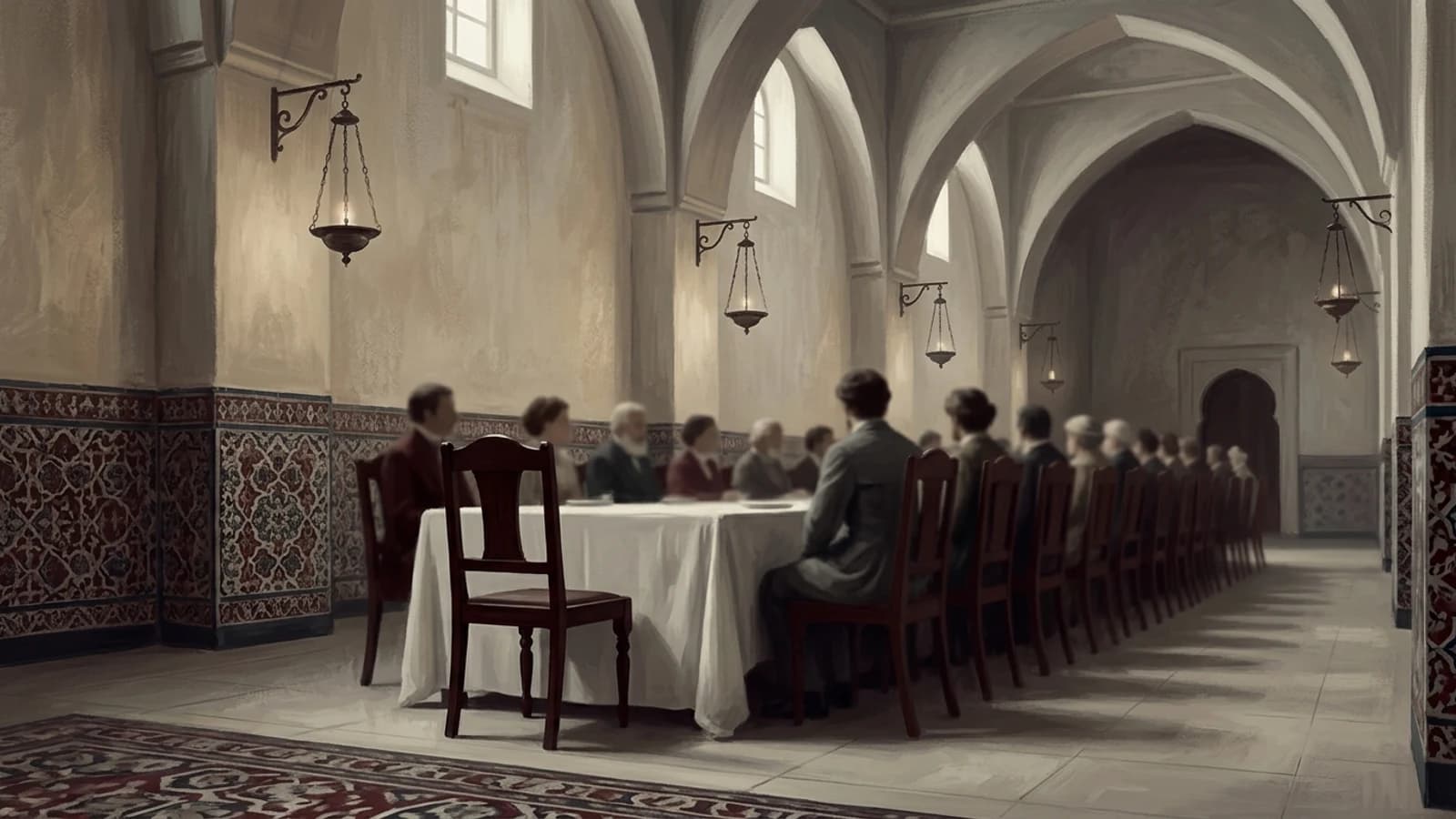
There is one story every Pole who has visited Türkiye has been told, and every Turk who has hosted a Polish guest has repeated. At Ottoman court ceremonies, as ambassadors were announced in turn, the master of ceremonies would reach the place where Poland's envoy should have stood and declare that the envoy from Lehistan had not yet arrived — year after year, for the 123 years in which Poland did not exist.
It is a wonderful story. It is also one that historians have never been able to pin to a specific document, and honesty about that is the least the story deserves.
What is certain
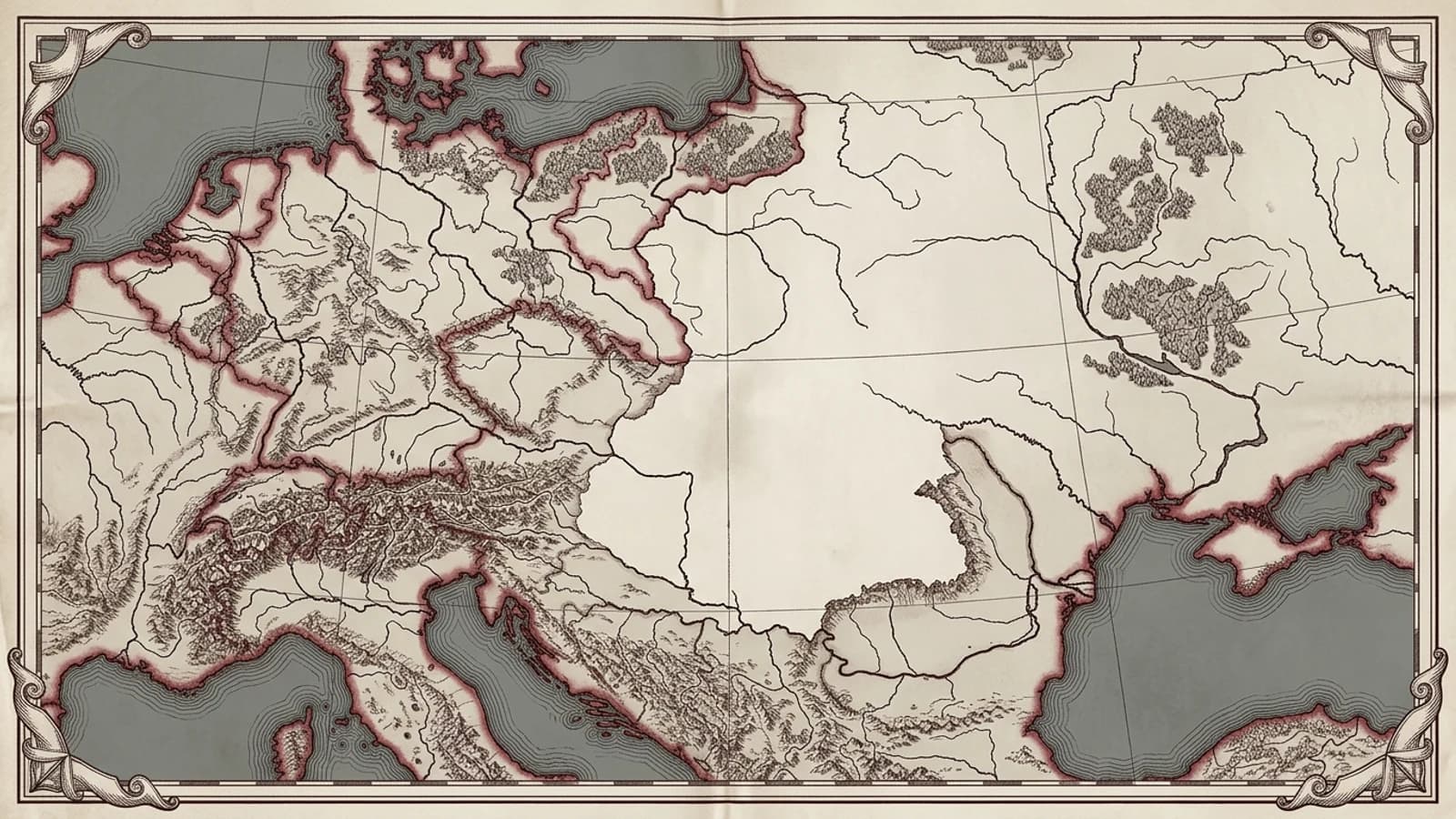
The partitions themselves are not in doubt: Russia, Prussia and Austria removed Poland from the map in three stages, in 1772, 1793 and 1795. It stayed off the map until 1918.
What is also certain is Ottoman conduct during those years, which is better evidence than any ceremonial phrase:
- Polish political emigrants were received rather than turned away, particularly after the failed November Uprising of 1830–31.
- In 1842, a Polish settlement was established on Ottoman soil — Adampol, named for Prince Adam Jerzy Czartoryski, whose Paris-based circle organised it.
- After the revolutions of 1848–49, the Porte refused Russian and Austrian demands to extradite Polish and Hungarian refugees, at real diplomatic cost.
- Polish officers served in the Ottoman army under Turkish names. General Józef Bem became Murad Pasha.
Refusing an extradition demand from two empires is a harder thing than leaving a gap in a receiving line.
Why the sentence survives anyway
Stories persist when they compress something true into something repeatable. The empty place in the ceremony is a precise image of a real policy: the Ottoman state was, for a long stretch, unwilling to treat the disappearance of Poland as settled, and it acted on that unwillingness in ways that cost it something.
That is why the phrase is quoted at official dinners in both countries, and why we treat it here as a piece of shared memory rather than a footnote to be either proven or debunked. A relationship is entitled to its founding stories, provided it is honest about which parts are documented.
Reading it today
The practical inheritance of that period is Polonezköy, a village still standing outside Istanbul, and a habit of mind that outlasted both the empire and the partitions. When Poland and Türkiye signed their Treaty of Friendship in 1923, both states were new, but the relationship was not.
For the wider chronology, see six centuries of Polish–Turkish diplomacy.