27 July 2026·TURKPOL Editorial
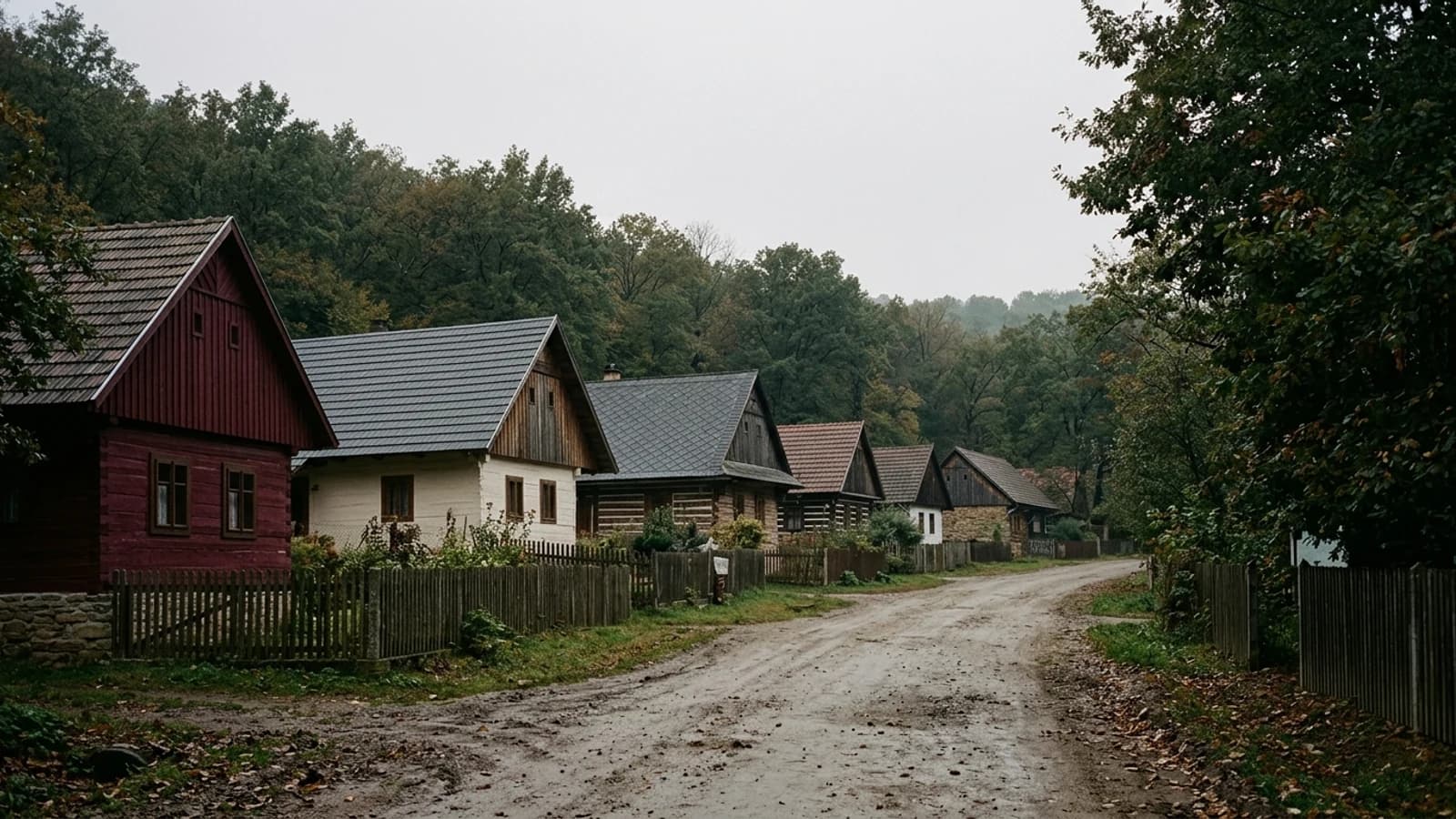
About thirty kilometres from the centre of Istanbul, on the Asian side, past the Beykoz woods, there is a village whose Turkish name translates as "Polish village". Polonezköy. Its Polish name is Adampol, after Prince Adam Jerzy Czartoryski.
It was founded in 1842, and it is probably the most concrete thing the Polish–Turkish relationship has ever produced.
How a village happens
After the November Uprising of 1830–31 failed, a Polish political emigration formed in Paris around Czartoryski — the circle known as the Hôtel Lambert. Its strategy was to keep the Polish question alive in European capitals and to place Polish soldiers and agents wherever they might be useful when the moment came.
Michał Czajkowski, Czartoryski's agent in Istanbul — later Mehmed Sadık Pasha — arranged the purchase of land from the Lazarist mission. Polish exiles, and later Poles freed from captivity elsewhere in the region, settled it.
A settlement, not a monument
What makes Polonezköy remarkable is that it kept going. Through the end of the Ottoman Empire, the founding of the Republic, two world wars and the transformation of Istanbul into a city of millions, the village retained Polish surnames, a Catholic church, a cemetery with Polish inscriptions, and a memory of why it was there.
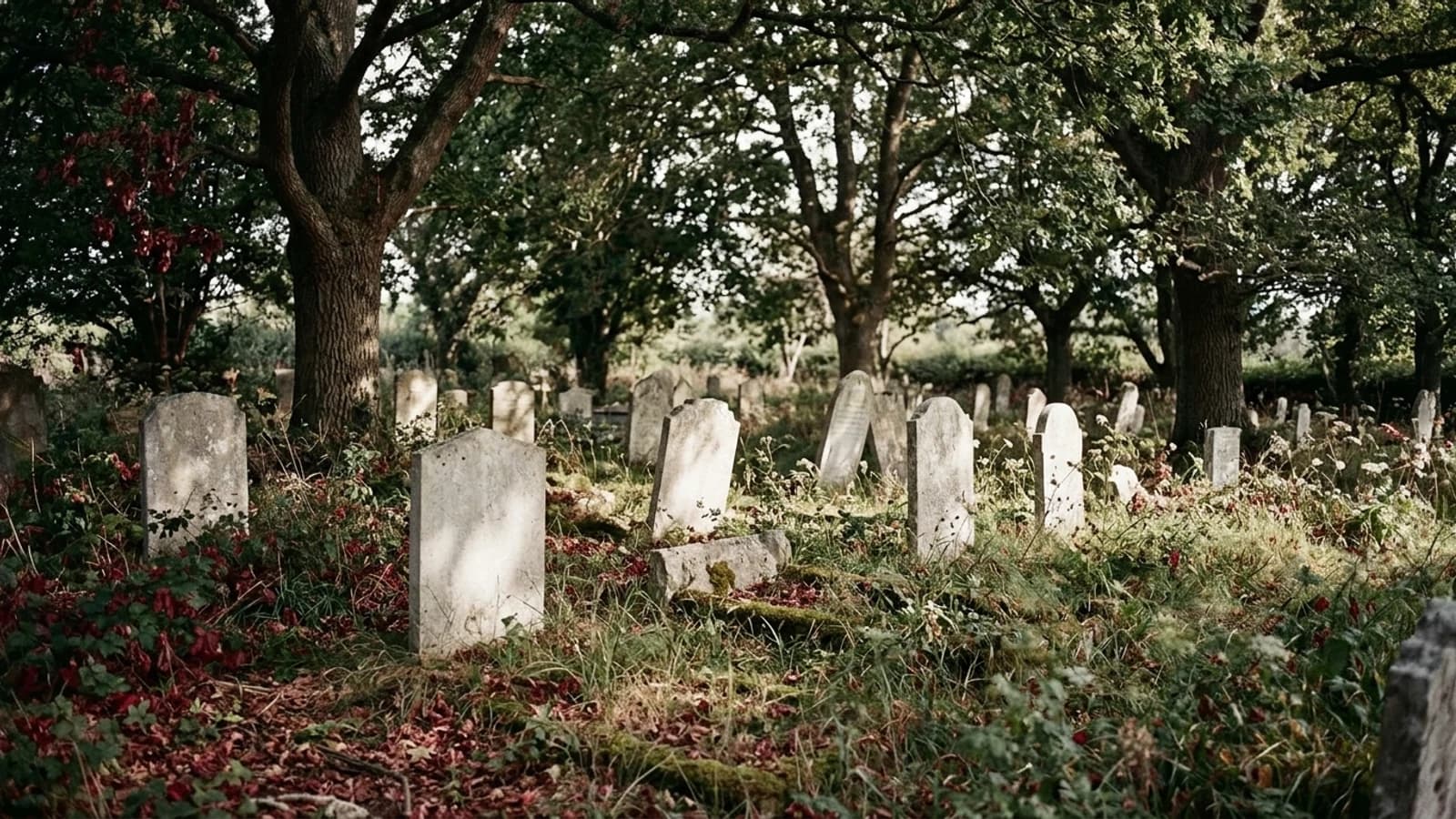
Polish presidents have visited: Ignacy Mościcki in 1938, Lech Wałęsa in 1994. Today it is also, frankly, a weekend destination for Istanbulites who want green space and a particular kind of breakfast — which is its own form of survival.
A monument is maintained. A village is inhabited. Polonezköy has managed to be the second while functioning as the first.
Why it belongs in this series
Polonezköy is the answer to a question that otherwise stays abstract: what did Ottoman sympathy for Poland actually amount to? It amounted to land, permission, and a century and a half of being left alone to be Polish.
It is also the reason the modern relationship does not have to be invented from scratch. When TURKPOL brings Polish and Turkish members together in Warsaw, it is continuing something with an address.
Related reading: the envoy from Lehistan for the diplomatic context, and Poles in Türkiye for what came after.