
29 June 2026·TURKPOL Editorial
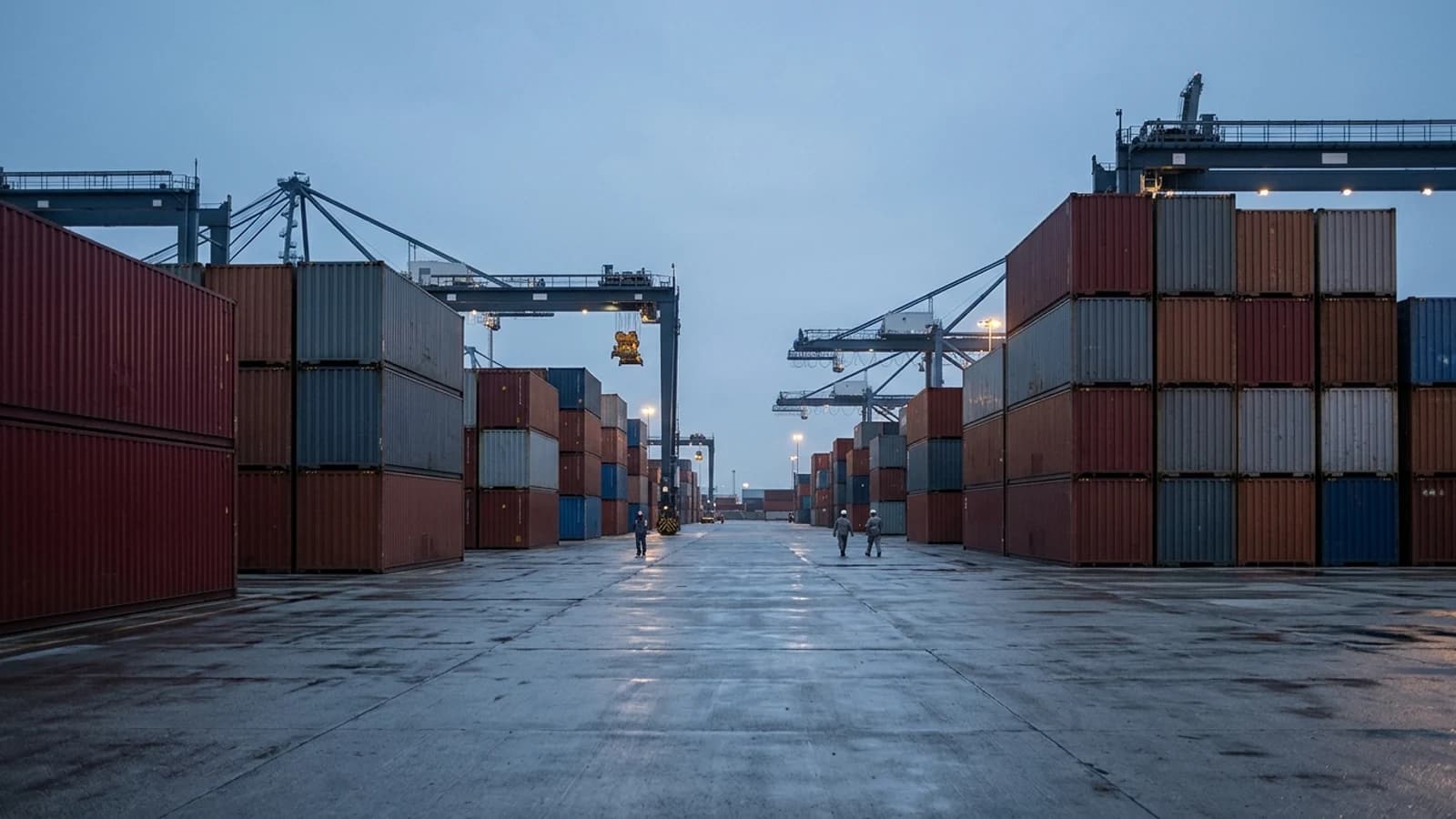
For most of six centuries, the Polish–Turkish relationship was conducted by ambassadors. Today it is conducted, in volume, by freight forwarders, contractors and procurement departments.
The rules that actually apply
Bilateral trade between Poland and Türkiye is not governed by a bilateral trade treaty. It runs on the framework between Türkiye and the European Union, of which Poland has been a member since 2004.
The decisive instrument is the EU–Türkiye Customs Union of 1995, under which most industrial goods move between Türkiye and EU member states without customs duties. For a Polish importer or a Turkish exporter, that single fact shapes more decisions than any ministerial visit.
Note what the customs union does not cover: most agricultural products, services, and public procurement are handled separately. Businesses that assume "customs union" means "no paperwork" discover otherwise.
Where the money actually goes
Four patterns are visible without needing a single disputed statistic:
- Construction and infrastructure. Turkish contracting groups are long-established across Central Europe, and Poland has been one of the EU's largest infrastructure markets.
- Automotive and components. Both countries sit inside European automotive supply chains, which makes them suppliers to each other rather than only to Germany.
- Household goods and textiles. Turkish manufacturers are visible on Polish shelves in categories where brand recognition took a decade to build.
- Food. Movement is two-directional and, because agriculture sits largely outside the customs union, more paperwork-heavy than the rest.
The customs union is the reason a container leaving Bursa for Gdańsk is a routine commercial decision rather than a diplomatic one.
A note on numbers
We have deliberately not put a headline trade figure on this page. Bilateral volumes are published by several bodies — Statistics Poland (GUS), the Turkish Statistical Institute (TÜİK), and Eurostat — and they differ, are revised, and move substantially year to year with the exchange rate. A number printed here would be stale within months and would be quoted for years. Readers who need a current figure should take it from those sources directly.
What can be said without qualification: the trade is measured in billions of euro annually, it has grown over the last two decades, and Poland is among Türkiye's more significant partners in Central Europe.
What this means for members
Most of the practical questions the association receives are not about macroeconomics. They are about how to register a company, which documents a Turkish qualification needs, and who to talk to. Those belong with the business club and the secretariat.
Related: Turks in Poland on the community behind much of this activity.